How to baby proof your home: checklist for crawling and walking
Learn everything on how to baby proof your home with my checklist for crawling and walking. As your little one starts crawling and walking, your home transforms into a land of endless discovery. But with that curiosity comes a need for safety. Babyproofing your home isn’t just about blocking off rooms—it’s about creating a space where your child can explore freely, safely, and without constant worry.
In this guide, I’ll walk you through how to make your home a secure haven for your crawling and walking baby. Whether you’re preparing for your new baby or adjusting for a little mover, these tips will give you peace of mind while keeping your baby safe.

What is Baby Proofing, Anyway?
When you first bring your new baby home, baby proofing might not seem urgent. At first, your little one stays in one place. But that changes quickly. Within a few short months, your baby will start rolling, crawling, standing, and eventually walking. Suddenly, the familiar spaces in your home can feel full of risks.
Baby proofing means creating a safe space where your baby can explore freely. It’s about turning your home into a safe haven that gives you peace of mind. As your child grows, baby proofing becomes an ongoing process. It supports their development while keeping them protected. This continues until your child is old enough to understand and follow basic safety rules.
Even the American Academy of Pediatrics offers a checklist (though it’s paid) to guide parents through the baby-proofing process.
In this blog, we’ll focus on removing potential hazards, sharp objects, and other dangerous items to create a safer home for young children. Keep reading to find out what worked for us—and the things you don’t want to forget along the way.
Baby Proofing for Safety and Sanity
When you baby proof your house, some things are clearly about safety. You want to protect your little adventurer from electrical outlets and harmful chemicals. A few paragraphs down, you’ll find a full checklist that covers exactly that.
But baby proofing is also a great way to protect your sanity.
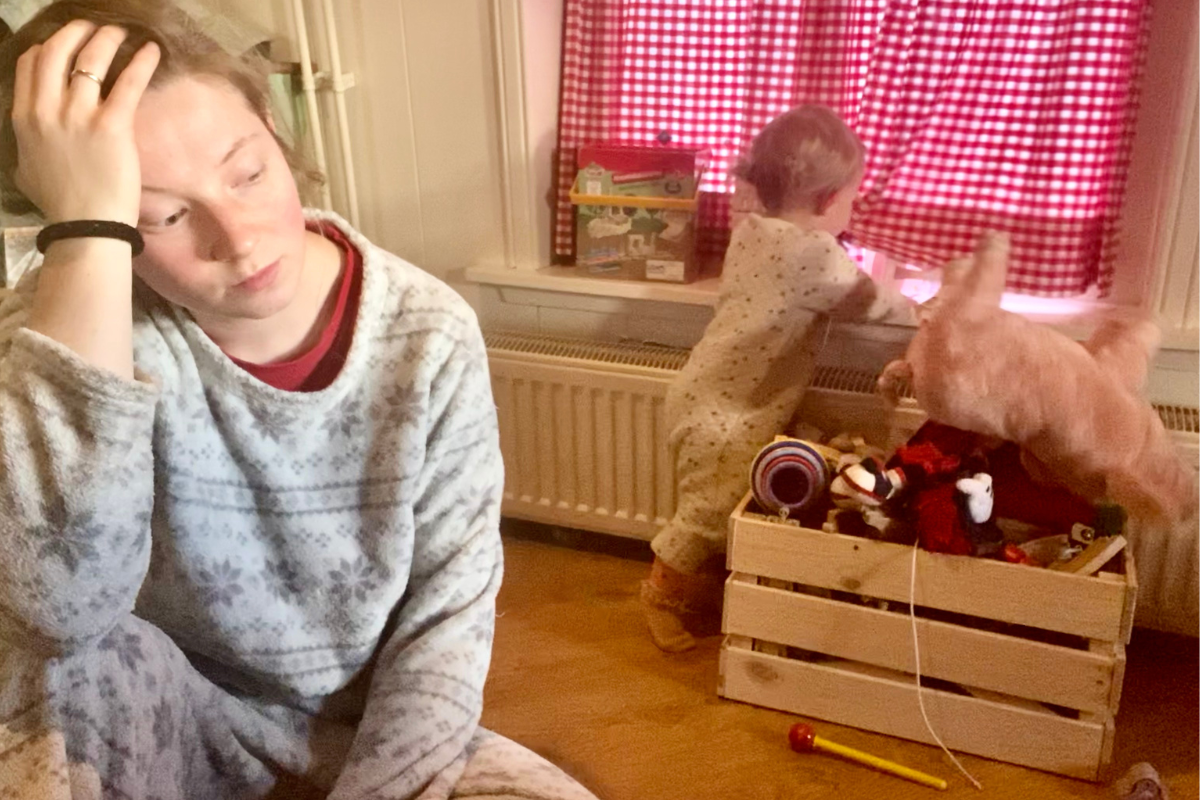
Take your kitchen cabinet with towels and Tupperware—it may not be dangerous, but it’s exhausting to reorganize it 17 times a day. The same goes for bookshelves and your favorite decorative pieces. These items may not be safety concerns, but they attract curious hands all the same.
You probably don’t want your dried wedding bouquet turned into baby confetti.
Take a look around your home. Can you add closed shelving? Is there a way to safely lock things away? Making these changes can save you time, energy, and frustration.
And best of all—it saves you from saying “No!” a hundred times a day. But more about that below.
Create “Yes” Spaces for Exploration
Small children are natural explorers. Giving them safe spaces to play in helps them feel independent and confident in their world.
When they’re in a secure environment, they’re also more likely to play independently—and safely.
A simple way to create this kind of open space is by moving unsafe items out of reach. You can also use a baby gate to block off areas that aren’t baby-friendly. That way, the rest of your home becomes a safe place for your little explorer.
The idea is simple: keep dangerous things away from your baby—not the other way around.
Crawling vs. Walking: Different Heights, Different Dangers
First, you’ll have a mobile baby on your hands. Rolling and crawling take them far from the cozy safety of their baby blanket.
A crawling baby explores the world at ground level—think electrical outlets, cords, and small objects on the floor. Getting down to their level and checking the floor regularly helps you spot dangers before they do.
A walking baby reaches much higher—like the changing table, countertops, and window treatments. Their growing height brings a whole new layer of risks.
As your little mover becomes a little explorer, adjust the safety measures you’ve put in place. My advice? Start baby proofing early and do as much as possible at once. That way, your home stays safe—no matter how fast your baby’s development takes off.
Keep reading for my ultimate checklist that covers potential dangers from both crawling and walking perspectives.
The Ultimate Babyproofing Checklist
Below, you’ll find a complete checklist to help you baby proof your home—for both your crawling and walking adventurer!
This guide covers all the essential spots and safety tips to create a home where your little one can explore with confidence (and where you can breathe a little easier).
You want to downloadable version?
| Area | Hazards | Solutions |
|---|---|---|
| Stairs & Room Entryways | Risk of falls from stairs or entering hazardous rooms | Use safety gates or baby gates at the top and bottom of stairs, and at the entrance of rooms you want to block off. |
| Furniture (All Rooms) | Heavy furniture can tip over; sharp corners can cause injury | Secure all heavy furniture to walls to prevent tipping, and use corner guards on coffee tables and sharp-edged furniture. |
| Kitchen Cabinets | Access to sharp objects, glassware, and cleaning supplies | Install cabinet locks or magnetic locks on lower kitchen cabinets to keep babies out of dangerous areas. |
| Bathroom Cabinets | Exposure to medicines, razors, and cleaning chemicals | Use child safety locks or cabinet locks in bathroom vanities to prevent baby access. |
| Laundry Room | Exposure to laundry detergents and other dangerous chemicals | Store laundry detergent and other cleaning supplies in a locked cabinet and keep the laundry room door closed. |
| Toilets | Drowning risk and unsanitary water exposure | Keep toilet lids closed or use toilet locks to prevent access. |
| Windows & Blinds | Risk of falling out, strangulation from cords | Install window guards and keep windows locked; ensure window treatments are free from strangulation hazards. |
| Electrical Outlets & Cords | Risk of electric shock and pulling heavy objects via cords | Cover electrical outlets with outlet covers and cover or tuck away electrical cords to prevent pulling or chewing. |
| Choking Hazards | Small objects like button batteries, small toys, and household items | Store small items, button batteries, and sharp objects out of reach of children. |
| Decor & Surfaces | Small decorations pose choking hazards; unstable decor can fall | Choose baby-safe decor and avoid placing small objects on flat surfaces within baby’s reach. |
| Water Temperature | Risk of burns from hot water | Set your water heater to a safe temperature (maximum of 120°F or 49°C) to avoid scalding. |
| Fire Safety | Fire or smoke exposure | Test smoke detectors and carbon monoxide detectors monthly and replace batteries as needed. |
| Emergency Preparedness | Lack of readiness during emergencies | Practice a fire escape plan and emergency routine with all family members. |
| Poisoning Risk | Access to toxic substances | Keep a list of poison control numbers on hand and ensure all toxic substances are locked away and labeled. |
Baby Proofing on a Budget
At first, baby proofing your home might not seem like a big financial burden. But replacing furniture or buying many baby gates can add up quickly.
We chose to buy most of what we needed secondhand. Many people have safety equipment they no longer use after a few years. Buying used can save you a lot of money. It might even let you invest in higher-quality items that would otherwise be too expensive. Remember, the best way to baby proof is the safest way—not always the most expensive.
DIY projects can also help keep costs down. As long as the final result keeps dangerous items out of your baby’s reach, you’ve met your goal.
Wrapping It Up: A Safe Home for Your Little Adventurer
Creating a safe space for your little one brings peace of mind—and that’s one of the most important things you can do as a parent. Remember, baby proofing is an ongoing process that grows alongside your child’s curiosity and abilities.
While it’s natural to worry about every possible danger, the world isn’t one huge risky place. Babies thrive in all kinds of environments, many very different from ours. With love, attention, and some thoughtful preparation, you’re already doing an amazing job.
So take a deep breath, enjoy watching your little adventurer explore, and know that your efforts help create a safe, happy place where they can grow and learn with confidence.
Making your house baby proof for crawling and walking is all about removing dangerous items. Wondering what you need for your newborn? Get my free newborn essential checklist here.