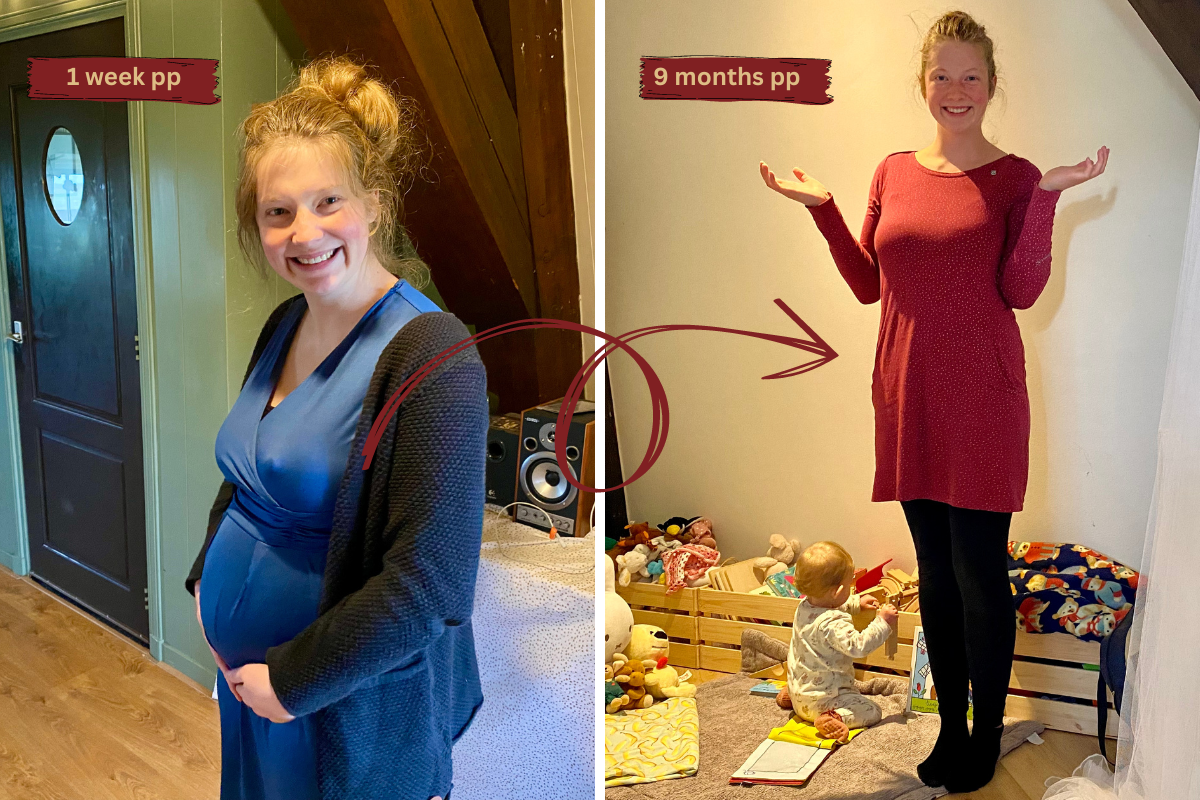
How to manage your household during first trimester
Are you pregnant, tired an sitting in a mess? This post about how to manage your household during the first trimester is just for you!
My first pregnancy was nothing like I imagined. I was overwhelmed by constant nausea, crushing exhaustion, and a sadness I couldn’t shake. Even if I tried to keep working as if nothing had changed, ignored my body’s signals, ate whatever was quick: the house fall apart. I remember sitting in the middle of the mess, wondering how anyone kept it all together.
But with my second pregnancy, I did things differently. I gave myself permission to slow down and asked for help. I focused on what really mattered, not just what felt urgent. Even with a toddler running around, our home stayed more peaceful, and so did I.
If you’re in the middle of it right now—feeling sick, tired, or simply not yourself—please know this: it gets better. You don’t have to do everything perfectly, and you’re doing more than enough. I’ve learned a lot through both pregnancies, and I’m here to share what helped me, in hopes it might help you too.
Read on for my top 10 tips to keep your household running smoothly—without running yourself into the ground.
1. Analyze Your Household Basics: What’s Essential and What’s Optional to run the household smoothly
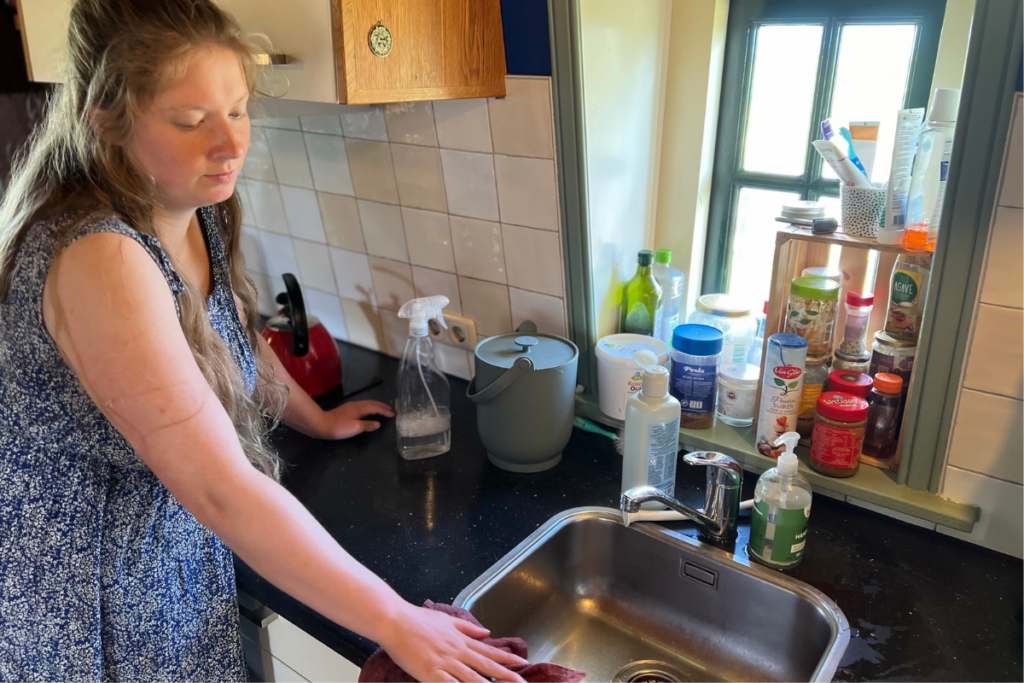
One thing I learned was that I didn’t need to do all the household chores like before pregnancy. The first time around, I overwhelmed myself with household tasks that didn’t really matter. Some things need to be done daily, while others can wait for months. Creating a realistic to-do list for each day, week, and month made everything feel less overwhelming. Without a huge pile of chores, I didn’t procrastinate as much and just focused on what mattered. Keep in mind that pregnancy symptoms and low energy levels can make tasks harder. With that in mind, here are some essentials for me:
- Do one load of laundry every day.
- Vacuum at least twice a week in living spaces.
- Clean the kitchen after every meal.
- Keep the bathroom clean.
- Tidy the living spaces at least twice a day.
Tidying is a simple task, doesn’t require heavy lifting, and is easy to manage. Even in the first trimester, your body is preparing for pregnancy, so it’s important to avoid unnecessary strain. Also, use natural cleaning products like white vinegar during pregnancy and breastfeeding to protect yourself and your baby.
I dropped a few tasks during my first trimester, like:
- Tidying the barn.
- Cleaning windows.
- Vacuuming the upper floor weekly.
- Dusting ceilings.
- Deep cleaning rooms and spaces.
Remember, staying healthy includes mental health too, so make rest a priority. Keeping living spaces tidy helps reduce stress. Nothing feels more unsettling than living in a messy, dirty space. That brings me to the next point, because there are many things you can do before you have your positive pregnancy test.
2. Prepare Your Home Before the Positive Pregnancy Test
Sometimes, pregnancy can come as a surprise, maybe even with the first symptoms. If that happens, don’t hesitate to ask for help before symptoms get worse. If you’re planning to get pregnant, make sure to plan for a clean house too. When we first tried to conceive, I didn’t plan as well as I should have. But by the second time, I was ready. Here are my top tips to prepare to manage your household during the first trimester before getting pregnant:
- Deep clean important areas before morning sickness hits.
- Tackle potentially dangerous spots (like mold). Wear gloves!
- Cat feces can be risky due to toxoplasma gondii. Ask someone (partner, family, or friends) to clean the litter box for you.
- Stock up on natural cleaning products like white vinegar, lemon juice, or green seal brands before you’re pregnant. Avoid harmful chemicals while trying to conceive and during pregnancy. My husband and I made a conscious choice to use safe household products that I felt comfortable using during pregnancy. Switching to natural cleaners gave me peace of mind—and it meant I could still take care of light cleaning without always needing help from my husband. It was a simple shift that helped me stay more independent while keeping our home safe for the baby.
If you’re pregnant but haven’t noticed symptoms yet, remember: your body is already preparing for a baby. Don’t overdo it—avoid lifting heavy things or pushing yourself too hard. Still not finished with your to-do list? Ask for help!
With my next tip, you will gain more time to do your household tasks slowly, even if your to-do list seems never-ending.
3. Scale Back at Work: Prioritize a Healthy Pregnancy
During my first pregnancy, we chose not to share the news until after 12 weeks. At work, I kept pushing through, even though I felt horrible—fatigue, tender breasts, morning sickness and all. Despite reaching the 12-week mark, I still didn’t advocate for my needs. Work took up all my energy, and by the end of the day, I had nothing left for household tasks.
This time around, I made a change early on. At just 6 weeks, I reached out to my manager and reduced my working hours to 50%. This small adjustment made a huge difference. My symptoms eased, and I finally had the energy to focus on my home and my well-being.
If you’re pregnant, it’s important to acknowledge that your energy levels will fluctuate. Early pregnancy symptoms like morning sickness and fatigue can really take a toll, making it really hard to manage your household during the first trimester. Preparing to adjust your schedule during the first trimester of your pregnancy is key. Reducing your mental load where possible will also help protect your mental health and keep your heart at ease. Make sure to schedule frequent breaks, and always assess your workload.
Don’t wait too long to talk with your employer about the necessary changes. Early conversations can help you prioritize your health, making the journey through pregnancy smoother for both your body and mind. If that sounds just impossible in your situation, my next tip might be even more important for you.
4. Get Help: You Don’t Have to Do It Alone
During my first pregnancy, I wanted help but didn’t know who to ask. In our situation, paid help would have been the most appropriate, but I felt like I was already failing. Because of that, I didn’t allow myself to rest when I really needed to. But looking back, I realize: you are not failing if your household is falling apart. Asking for help is completely legitimate, and every woman’s experience is different.
If you’re in a similar situation, don’t hesitate to ask a family member or your husband for help with simple tasks to manage your household, not only in the first trimester but beyond! They’re there to support you! You can also seek guidance from your health care professional on your physical limits, especially when it comes to lifting or overworking yourself. Hormonal changes during pregnancy can bring emotional ups and downs, so don’t be afraid to accept support with household chores or emotional needs.
It’s okay to lean on your partner, but remember: don’t expect perfection. Your husband is also just a person with a full schedule, so give yourself and him grace. No one can do it all, and that’s perfectly fine. Reflecting on my own experience, I learned the value of receiving help and allowing myself to take breaks. Pregnancy isn’t about doing everything perfectly; it’s about taking care of yourself and your baby.
5. Prepare for the Changes: Physical, Emotional, and Lifestyle
Pregnancy brings many physical changes that can impact how you manage your household. You may experience weight gain, an increase in your bra size, and noticeable changes in your physical shape that could affect your comfort while performing daily tasks. Hormonal shifts can lead to mood swings, especially in the first trimester, and this can make managing household responsibilities feel more challenging.
As your pregnancy progresses, be aware of signs like high blood pressure, varicose veins, and lower back pain, which can make managing your household chores during the first trimester and beyond more difficult. Reflect on how your lifestyle and routines change, and consider how you can adjust your household tasks to make things easier. Are cleaning products and the laundry system easy to reach? Do you have the products you need on the floor that you need them?
Track how your hormones affect your energy levels and mental health, as this will help you manage your household duties better. Staying active with appropriate physical activity can help, but avoid heavy lifting or strenuous cleaning, even in the early stages of pregnancy. You don’t need to do everything yourself—consider asking for help with tasks that become too difficult or taxing.
If by this point you think: those are all nice suggestions, but I am still sick and tired and sitting in a mess, read my next tip.
6. Know That It Isn’t Forever: Hold On Through the Hard Time
I thought pregnancy would be the exciting time I had dreamed of for months—maybe even years. But I quickly realized how much energy it took just to be. In my first pregnancy, my mood dropped, and I had no motivation—not even for the simple household tasks I used to enjoy. Dishes piled up, laundry sat unfolded, and I felt guilty for not being able to keep up. It took 17 weeks for the early symptoms to ease, and honestly, it felt like a long time.
The first trimester can be a hard time. Hormones rule everything—your energy, your emotions, your ability to get through even basic daily chores. One day you might feel okay; the next you may be overwhelmed by fatigue or tears. Know this: you are not a horrible person for having dark thoughts or low motivation. This truly can be all hormonal, and it most likely will only last for a few months. Going through the first trimester for the first time? Read here everything that surprised me about the first trimester.
Remember: this is a phase—a powerful, intense, and temporary phase in a woman’s life. It’s okay if the house isn’t spotless. It’s okay if your to-do list doesn’t get done.
Many other pregnant mothers experience these same struggles. You’re not alone. When the days feel long, try little comforts—a warm cup of chamomile tea, a few deep breaths, or a calming essential oil you’ve checked with your provider. Let go of perfection in your home, and instead focus on rest, health, and preparing your heart and space for the new baby to come. The joy is on its way. In both my pregnancies, I experienced a hormonal shift that made mood swings and morning sickness a thing of the past from one day to the other. This is different for every woman, but realize that it won’t last forever.
7. Don’t Expect the World from Your Husband: Realistic Partnership During Pregnancy
When I got pregnant, I was reminded that my husband and I had built our life and routines over many years. We both manage our own time, responsibilities, and tasks, and our days are already full. So when I suddenly needed more help, he tried to step in—but he still had everything else on his plate.
It’s easy to forget that your partner isn’t going through the same physical changes. He’s not feeling the nausea, fatigue, or mood swings, and it’s not always fair to expect him to just “get it.” Trust me (speaking from experience here 😉), mood swings can take a toll if you’re not careful. The best thing we did was talk openly—about what I needed, what he could realistically take on, and where we needed outside help.
Remember: you’re a team, but you’re also two individuals with your own limits. Be kind to each other, set clear expectations, and don’t expect your partner to do it all—or read your mind. This season is challenging, but it’s also a chance to grow stronger together.
8. Don’t Feel Useless: You’re Growing a Whole Human
During my first trimester, I felt like I was failing at everything. I was pushing myself hard at work, but still falling behind. I wasn’t the kind or patient wife I wanted to be. And our house? It looked like a bomb had gone off. I didn’t feel “pregnant” in that glowing, joyful way—I just felt useless.
But the truth is, I was growing a whole human. And that’s not laziness—it’s real, exhausting, full-body work. Your job right now is to support a healthy pregnancy, and that takes more of your energy than you realize. All those tired, slow, emotional days? They’re part of the process.
Focus on a few things that really matter: eat nourishing meals and healthy snacks, stay hydrated, and take your prenatal vitamins—especially folic acid and vitamin B. Keep up with your prenatal appointments and make gentle lifestyle choices that support your overall health. Doing those things most of the time? Well you are doing great!
You don’t need to do anything “extra” right now. You are doing the most important thing already: building a baby. And that, in itself, is everything.
Are you unsure about the do’s and don’ts of being pregnant? I have a few important tips for you next. Always check in with your care provider about medical advice and your specific situation.
9. Additional Tips for a Healthy Pregnancy: Do’s and Don’ts
One huge lesson I learned during my second pregnancy was this uncomfortable truth: healthy lifestyle choices really made a difference. The first time around, I just hoped to feel better. But the second time, I ate healthy foods—even when I didn’t feel like it—and made a point to move my body gently each day. No, I didn’t do it perfectly, and you don’t have to either. But it truly helped ease my symptoms and lifted my mood.
Focus on foods that support your body, like lemon juice for digestion and vitamin B-rich snacks for energy. Stay active with light physical activity, like walking or stretching, but listen to your body and rest when your hormones leave you drained. And don’t forget the essentials: prenatal vitamins, especially folic acid, and lots and lots of hydration.
Make these changes in small, doable steps. Keep up with regular prenatal care, and always bring questions or new symptoms to your healthcare provider. Your daily choices don’t need to be perfect—they just need to support you, because a healthy pregnancy starts with a healthy, supported mom.
10 Bonus: What I Learned from My Own Pregnancy Journey
Looking back, I felt my best during the second trimester—after 17 long weeks of nausea, fatigue, and feeling like a shadow of myself. In the early weeks, I had very low energy, a lot of emotional ups and downs, and the overwhelming sense that I was failing at everything: work, marriage, and keeping the house together. I didn’t even feel pregnant—I just felt useless.
If I could go back, I would’ve started preparing earlier. I would’ve done a deep clean of the house before symptoms hit, told my boss I was pregnant sooner, and hired paid help to take care of cleaning during the roughest weeks. I now know that asking for help isn’t weakness—it’s wisdom.
The things that helped most were simple but powerful: eating healthy meals, going for short walks, and keeping up with basic daily tasks like tidying and laundry. Doing just a few small things—even if it was only folding a bit of laundry or clearing a surface—gave me a sense of control and calm.
In the second pregnancy, I reminded myself that my body was doing enough just by growing a baby. I was kinder to myself, kept a flexible plan in place, and lowered the pressure around the house. Because by then, I knew: good-enough is often more than enough.
What helps you most in keeping up with your household during those first rough months? Leave a comment below, I would love to read about it!