Why and how to quit perfectionism as a first-time mom
Perfectionism often brings comparison, overwhelm, stress, anxiety, and low self-esteem. In this blog, I’ll share tips on how to let go of perfectionism as a first-time mom, helping you become a happier and more balanced person, wife, and mother.

What is perfectionism?
According to Psychology Today, perfectionism is a trait that turns life into an endless report card on accomplishments or appearance. Wikipedia defines it as a broad personality trait focused on striving for flawlessness, often accompanied by critical self-evaluations and concerns about how others perceive you. Simply put, perfectionism is the desire to appear flawless to yourself and others.
For new moms, perfectionism can lead to pressure to be a “good mom” and maintain high standards.
Is it always perfectionism as a first-time mom always negative?
Let me be clear: there’s nothing wrong with striving for the best. Even the Bible mentions it in Matthew 5:48: “Therefore you shall be perfect, as your heavenly Father is perfect.” Psychology agrees that perfectionism can help us reach our goals and serve as motivation.
However, things turn negative when you set unrealistic expectations. This can lead to feeling depressed, anxious, or having low self-esteem. It’s fine to want to do things well for yourself and your loved ones, but comparing yourself to a standard that’s not realistic or healthy can quickly harm your self-worth.
So, it’s important to choose where and why you want to be a perfectionist. Ask yourself: Would I want my (hypothetical) daughter to have these expectations? If not, it’s probably time to let them go.
10 steps to Quit Perfectionism as a First-time Mom
To become more self-assured, confident, and relaxed, I try to follow these 10 steps regularly:
- Identify your perfectionist traits
- Evaluate why you choose to be a perfectionist
- Handle others’ (perfectionist) expectations towards first-time moms
- Set reasonable goals
- Embrace imperfection in 5 specific areas
- Stop comparing yourself to social media
- Keep a journal to focus on gratitude, not perfectionism
- Change your self-talk
- Talk about perfectionism as a first-time mom with friends and family
- Be kind to yourself (3 tips)
EvIdentify your perfectionist traits
Everyone is different, so as a first-time mom, your perfectionistic traits might look different from mine or even your best friend’s. However, there are certain areas where many first-time moms struggle with perfectionism. Common ones include:
- Staying organized during pregnancy and pushing through even when you’re not feeling well
- Having a clear vision of how your birth should go to feel successful
- Feeling the pressure to be instantly happy and in love with your baby after birth
- Worrying about feeding and sleep schedules for your baby
- Trying to implement routines that feel overwhelming
- Feeling the need to research everything about caring for your baby
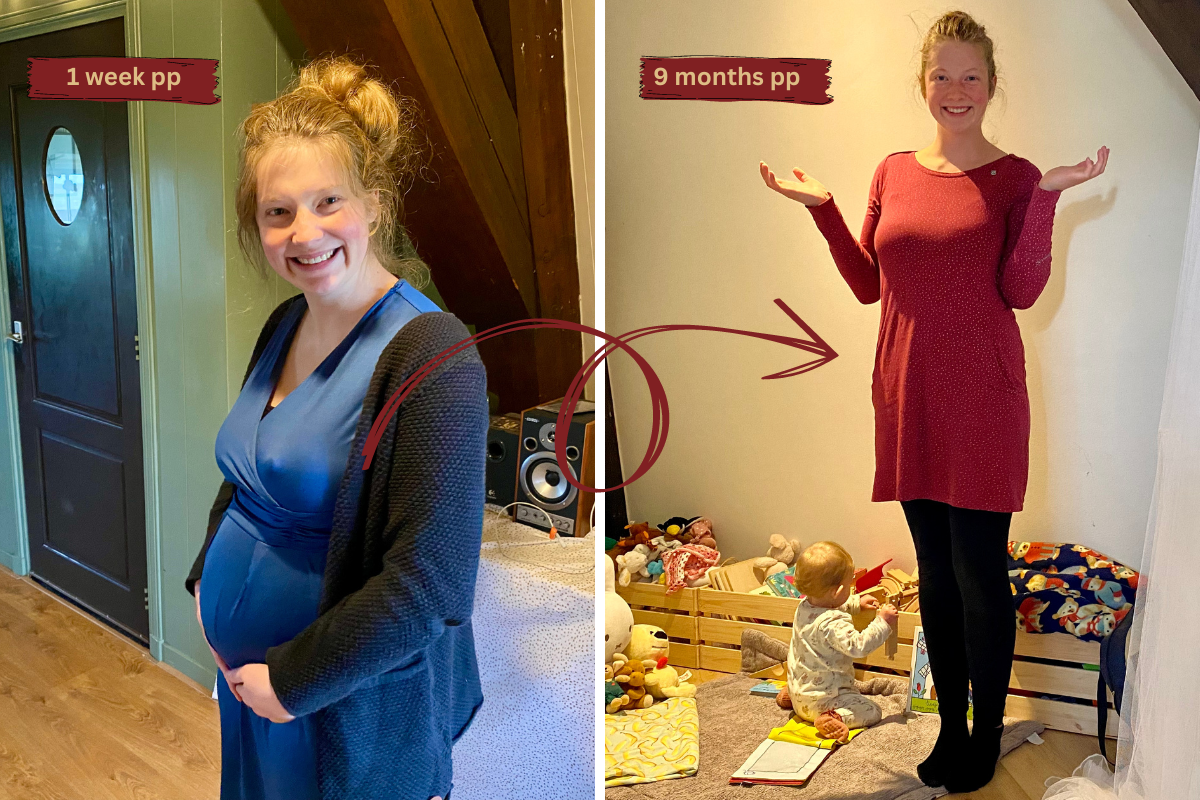
- Stressing about “bouncing back” to your pre-pregnancy weight or shape
- Juggling everything—baby, husband, household, work, friends, and “me time” all at once
These are some struggles I faced, but perfectionism can sneak into many other areas as well. Take a moment to think about yourself. Where do you feel most like a failure or incapable?
Evaluate why you choose to be a perfectionist
When striving for perfection, it’s helpful to ask: Who do I want to please? What expectation am I trying to meet? Understanding the reason behind your perfectionism can help you let go of it.
For me, I realized that my perfectionism often stemmed from my own expectations and judgmental attitudes toward others. For example, I used to be judgmental of people I saw as “lazy.” When I struggled to keep up with my household during the first months of pregnancy, I turned that judgment inward and felt lazy and useless as a homemaker. Reflecting on this, I realized I was being too harsh on myself. Once I recognized this pattern, I started changing how I viewed others—and in turn, how I viewed myself.
Another source of perfectionism for new mothers, especially with a first child, is the pressure from others’ expectations. Some of these expectations may be imagined, while others are real and voiced by people around us. Unfortunately, as a first-time mom, it’s common to face unsolicited opinions about how you should parent. Keep reading to see how I deal with those unwanted comments.
Handle others’ (perfectionist) expectations towards first-time moms
Sometimes, you might do things only because others expect it from you. If these expectations feel like a burden, try these three steps:
- Talk to the person: If possible, share your feelings. Is this really what they expect from you? For example, is your husband genuinely expecting you to lose weight, or is it a hidden expectation you’ve placed on yourself?
- Recognize negative comments: Sometimes, there’s no question that others expect you to act a certain way or meet certain standards. For example, when a relative says their babies never nursed as much or were on strict sleep schedules, it can feel discouraging. Acknowledge how these comments affect your self-esteem. Are they feeding your fear of failure or pushing you toward unrealistic standards?
- Turn negativity into positivity: If you can, try to “misunderstand” negative comments. For example, instead of arguing with your aunt about nursing frequency, say, “Yes, he’s nursing a lot! I love how he can communicate what he needs to grow strong and feel safe!” This shifts the conversation to something positive while building your own confidence and gratitude. If you don’t come up with something in the moment, that’s okay! You can always reflect later and be ready for next time.
As first-time moms, we often feel feelings of inadequacy and the pressure to meet unrealistic standards. But creating a safe space for yourself and setting boundaries can help protect your mental well-being.
Set reasonable goals
If you know where your perfectionism tends to show up and why, I encourage you to set realistic goals in those areas. What’s reasonable to expect from yourself, others, and even your baby? What will truly harm your baby if you let go, and what won’t have much of an impact?
Be honest with yourself here. As a first-time mama, it’s easy to think something must happen in a certain way for your baby to be safe, but that’s not always the case. Check in with more experienced mothers around you. How do they manage? It may turn out that some of the routines and expectations you hold onto—often based on unrealistic expectations of being a “good mother”—aren’t actually necessary.
Think about the long run. Does sticking to a certain to-do list or “perfect moment” really serve you or your baby? Letting go of certain pressures might just make life easier for everyone involved.
Embrace imperfection in 5 specific areas
Knowing where perfectionism takes you as a first-time mom is the first step toward embracing imperfection. Letting go of the constant striving and admitting that we aren’t flawless can be tough. But here’s something to think about: Is your baby or child perfect? When I first looked at my daughter, I knew she was perfect in her own way. But she definitely wasn’t flawless. And she doesn’t need to be. In order to model confidence and the feeling of being enough, I encourage you to embrace your own imperfections.
The same goes for imperfections as it does for expectations. If you struggle to accept your imperfections, start by embracing those of your children and partner. Recognizing that we all make mistakes will make it easier to accept your own.
Here are five ways to shift your perspective and start embracing imperfections:
- Strive for balance, not perfection
- Don’t judge others for their imperfections
- Accept that we all make mistakes
- Hold realistic expectations for yourself, your children, and your partner
- Be a confident role model
Good news: a lot of people, especially new parents, face these same challenges. Embracing imperfection is the key to finding peace in the journey.
Stop comparing yourself to social media
A study evaluating the impact of social media on social comparison found little to no positive effects. In contrast, there was plenty of evidence showing that social media negatively affects mental health and self-esteem. It’s tough to look at someone’s “perfect” life online and not feel the pressure to live up to those standards. However, what you see on social media is often far from reality.
As a perfectionist mom, it’s important to choose who you follow carefully. Pay attention to whether their content is adding to the constant pressure to be perfect. Spending too much time on social media can increase your screen time and lead to feelings of inadequacy, especially when you see images of spotless homes or “flawless” parenting. Studies show that people who spend less time on social media have better mental health and less depression.
The most important thing is to protect your mental well-being. Check out my blog about how to spend less time on your phone as a mom.
Keep a journal to focus on gratitude, not perfectionism
Focusing on the positive instead of the negative can help boost your confidence and self-esteem. This shift makes you less vulnerable to others’ opinions and judgments.
Take a few minutes each day to write down or say out loud what you’re grateful for. What went well today? What did you do great? What positive things did your kids and partner do?
Don’t turn your gratitude practice into another thing to be perfect about. Simply shifting your focus from negative to positive can make a big difference. If routines aren’t your thing, try this: every time you catch yourself being overly perfectionist, pause, take a deep breath, and think of something you’re grateful for or something you did well. It doesn’t take much time, but it can help you find balance as you embrace new things.
Change your self-talk
We all do it—talking to ourselves, whether out loud or in our heads. There’s a lot of research on the effects of self-talk, and studies show that positive self-talk can reduce stress and anxiety. It also helps you make a better first impression and perform well in public speaking. Using positive words to refer to yourself can regulate your thoughts, feelings, and behavior, especially under social stress. This practice is not only important for you but also for teaching your children.
One study compared the performance of people using negative vs. positive self-talk. The results were interesting. Both types of self-talk had a positive impact on performance. Negative self-talk increased attention and internal motivation, while positive self-talk helped with overall functionality. However, too much positive self-talk can sometimes lead to overconfidence, causing you to overlook important details.
So, while positive self-talk is essential, it’s equally important to embrace your imperfections instead of ignoring them. At the end of the day, remember, you’re not a “perfect parent.” You are doing your best, and that’s what matters most. Embrace your core values and show up as your best self, the best mom you can be, imperfections and all.
Talk about perfectionism as a first-time mom with friends and family
If you struggle with feeling overwhelmed by perfectionism as a first-time mom, try talking to others who are in the same boat. It can be incredibly helpful to realize that you’re not alone in this. Knowing that other moms also face challenges helps put things into perspective. You’re not a failure just because you’re not perfect.
If there aren’t any moms around you in the same stage of life, try connecting with others at the playground, your postpartum fitness class, or even in online forums or Facebook groups. Many new moms are navigating similar family life struggles, and it can make a world of difference to share experiences.
Even talking to your own mother or parents can offer a new perspective. We all go through hard times, but connecting with others can help you realize that you’re doing your best, and that’s enough to live your best life.
Be kind to yourself (3 tips)
√I know I’ve mentioned this before, but it’s worth repeating: the way you think and act toward yourself shapes how you treat others, and vice versa. Try to be as kind and loving to yourself as you were towards your baby the day they were born. Here are three tips that help me practice self-kindness:
- Embrace imperfections
- Positive self-talk
- Daily affirmations
I’ve already discussed the first two, but in this blog post, I’ll dive deeper into daily affirmations, especially around loving your body after a baby. To help you get started, download my free affirmation template and make daily affirmations a part of your routine!
Go to therapy or counseling if nothing helps with your perfectionism as a first-time mom
If you’re struggling with feelings of depression, low self-esteem, and overwhelm, and nothing seems to help, it might be time to consider therapy or counseling to work through perfectionism as a first-time mom.
For some, managing perfectionism is possible, but for others, it can take over their lives. Even if you’re functioning well day-to-day, it can be helpful to explore underlying issues that make perfectionism such a challenge. Sometimes, what you’re dealing with might be linked to postpartum depression or the pressure of adjusting to parenthood.
Finding support through a parent group or therapy can give you the green light to address perfectionism in a healthy way.
What helps you let go of perfectionism? Share it in the comments—I’d love to read all about your experiences!