Tips on how to make a small space family kitchen work
What essentials do you need to cook from scratch for your family? In this blog, I’ll guide you through creating a minimalist family kitchen, even in a small space.
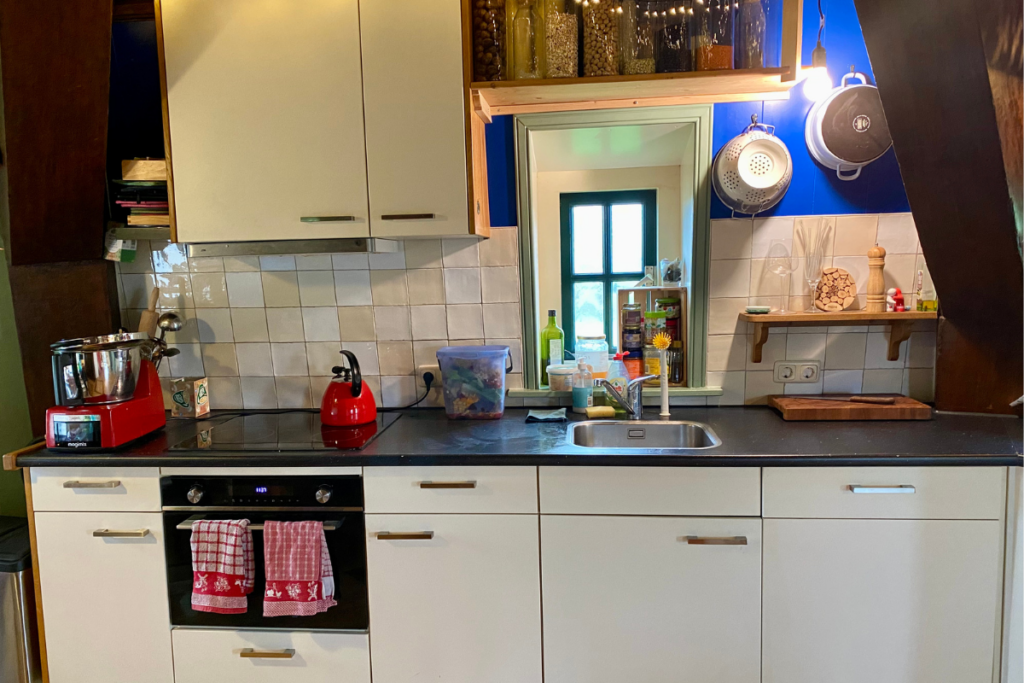
Creating a minimalist family kitchen in a small space can be a challenge, but it’s entirely possible with the right strategies. In this blog, I’ll walk you through how to design your kitchen to be functional, beautiful, and organized—without feeling crowded. From clever storage solutions to minimalist essentials, I’ll share the items that have made a difference in our small kitchen and how you can achieve the same. If you’re wondering how to declutter and maximize your space, check out my other blog on how to start loving your small space family kitchen. But today, let’s dive into what we really use in our minimalist family kitchen.
Download my small space family kitchen essentials checklist here:
1. What is a Minimalist or Small Space Family Kitchen?
A minimalist or small space family kitchen is about creating a functional, efficient, and simple space that works for your lifestyle. But what does minimalist really mean in the context of a kitchen? How many items count as “minimal” is a highly personal matter. It’s influenced by where you live, your habits, your resources, and your needs. There is no universal standard for what constitutes a minimalist feel in a kitchen, and that’s part of the beauty of it.
For instance, I’ve come across blogs where large, spacious kitchens are labeled as minimalist because of their clean lines, sleek storage solutions, and pared-back décor. But for someone living in a tiny apartment, a kitchen like that might seem excessive. On the flip side, you might look at my small space family kitchen and wonder if it’s really minimal enough. After all, I still have a collection of essential items, and they occupy the space I have.
This variation highlights the fact that minimalist living is not a one-size-fits-all approach. It’s all about how you define “minimal” based on your own daily needs, preferences, and space limitations. I’ve learned that instead of focusing on owning the absolute least amount of things possible, it’s better to aim for a manageable amount of stuff that serves your lifestyle effectively.
2. Striving for Simplicity, Not Just Fewer Things
For me, minimalist living is not just about the number of items in your kitchen cabinets but about the simplicity those items offer. It’s about making your space work for you, not the other way around. Simplicity means less time spent hunting for items, less clutter to clean up, and less frustration when it’s time to cook. The more streamlined and organized your space, the easier it is to function in it. So, rather than focusing on reducing your kitchen to the bare minimum, I encourage people to think about how to simplify their space so it meets their needs while still maintaining order and harmony.
This leads me to the term simple living, which I find much more fitting than “minimalist” in some cases. Simple living encourages a mindful approach to belongings—it’s about choosing what to keep based on what you use often and what brings value to your life. For example, do you really need three different-sized pots when one or two will do the job? Or could you let go of duplicate kitchen gadgets that clutter up your drawers?
But simplicity doesn’t mean living with less, just for the sake of it. It’s about intentional choices—keeping only the things you love and need, and ensuring that each item in your kitchen serves a clear purpose. For me, it’s more about having the right things, not having the fewest.
3. Looks: Achieving a Modern, Airy Aesthetic
Creating a minimalist kitchen in a small area doesn’t have to be hard. It’s all about making smart choices that bring both style and function into your kitchen. Here are a few tips to create a beautiful and efficient space:
Open Shelving for a Modern Feel
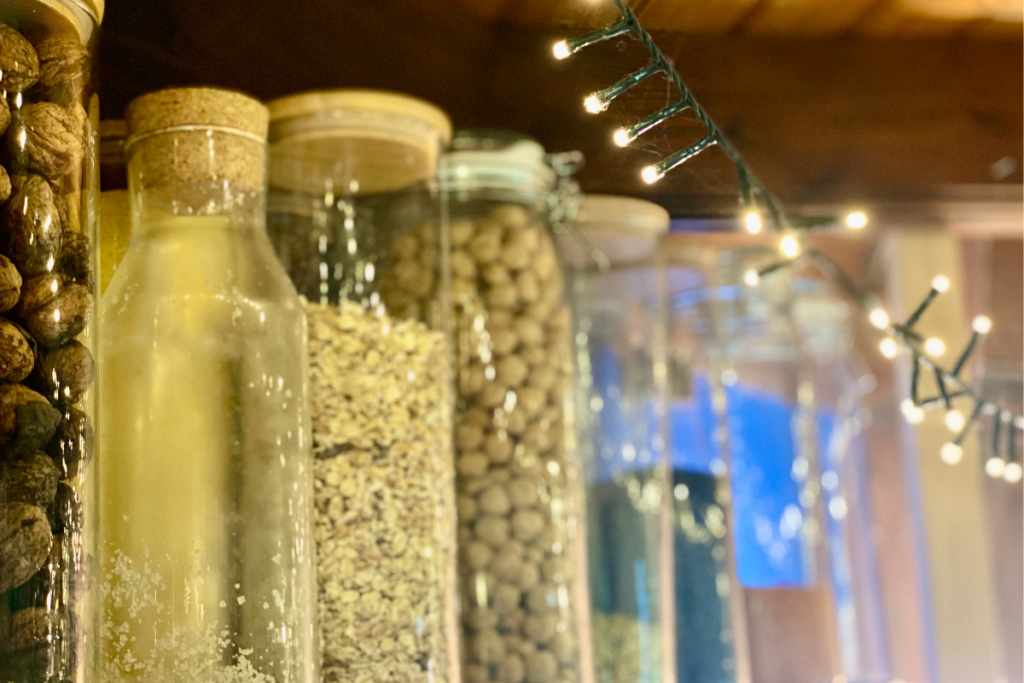
Open shelves are one of the best ways to bring a modern, minimalist look to a tiny kitchen. It creates a sense of openness and makes it easier to access everyday items like olive oil, cutting boards, and your small appliances. Keep the shelves organized to avoid visual clutter, and use them for only the most-used items. This allows the kitchen to feel cleaner and more spacious.
Neutral Colors for an Airy Space
A neutral color palette with light colors—think shades of white, beige, soft gray, or pale natural wood tones—can make your kitchen feel much larger and more inviting. White cabinets work wonders in reflecting light, which is especially important in small spaces. These tones not only help the space feel more open but also complement the minimalist look you’re aiming for. You can add a touch of warmth with natural materials like wood or stone, creating a perfect balance of calm and elegance.
Big Windows and Natural Light
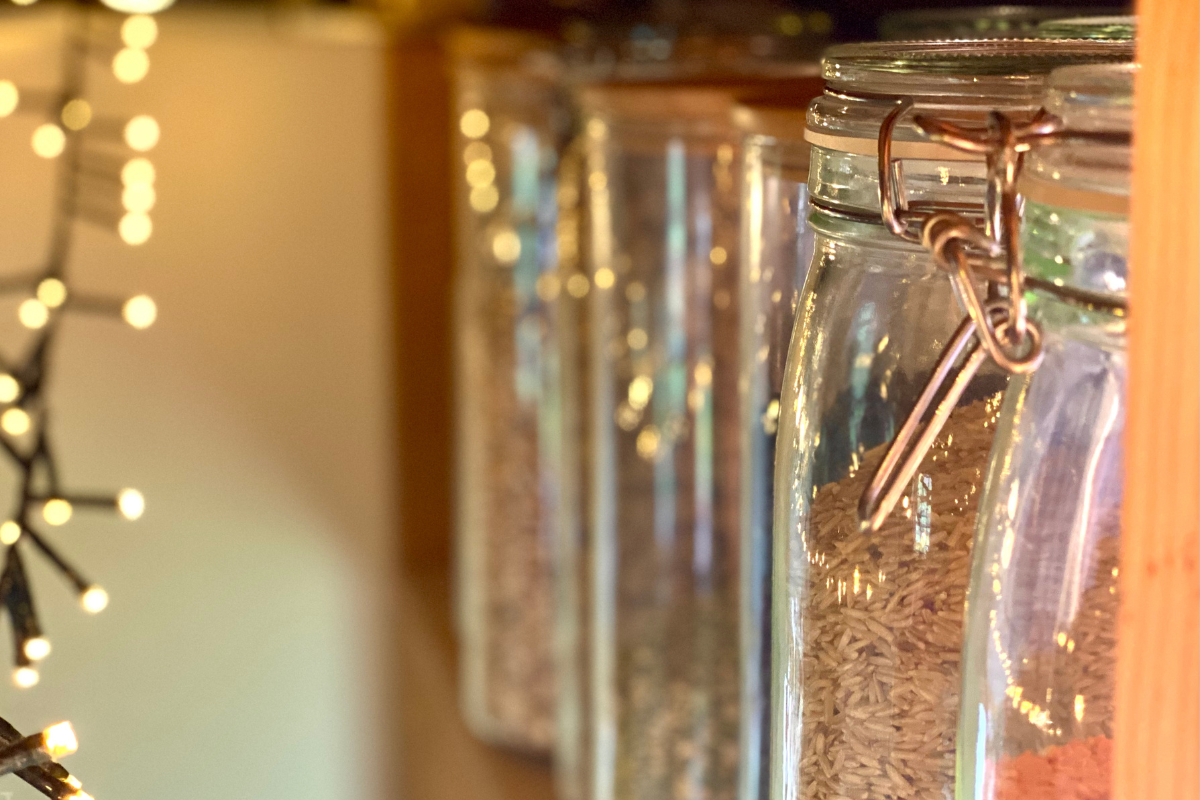
Maximizing natural light in small rooms like your kitchen can make it feel brighter and more spacious. Big windows or strategically placed mirrors can help reflect light and open up the space. If your kitchen lacks large windows, consider installing glass cabinets to allow light to filter through, which makes the room feel more open and airy. I also love adding a string of fairy lights to create a warm, cozy atmosphere, especially in the evening.
In summary: A minimalist kitchen is as much about looks as it is about function. Open shelving, neutral colors, natural light, and the soft glow of fairy lights can transform a cramped space into something modern and inviting.
Making the Most of a Kitchen That’s Not Your Own
Not everyone has the luxury of owning their own kitchen, and I totally understand how challenging it can be to work with a space that isn’t fully yours. We, too, don’t have our own kitchen, but that hasn’t stopped us from creating a minimalist and functional space. The key is to focus on what you can control—whether it’s organizing the cabinets, investing in compact and versatile tools, or adding personal touches like fairy lights to make the space feel welcoming. Even if you’re in a rented space or sharing a kitchen, thoughtful choices can help you create an environment that feels both efficient and comfortable.
4. Storage Ideas: Maximizing Every Inch
Storage is a critical consideration in any small kitchen. You want to make sure you can fit all your family’s essentials without overcrowding the space. Here are some storage ideas that work wonders in a compact kitchen:
Space-Saving Solutions
In a small kitchen, space-saving solutions are key. One genius idea is to use a kitchen island on wheels. Not only does it provide additional counter space, but it can be moved around as needed, adding flexibility to your layout. If you’re working with a U-shaped kitchen or single wall kitchens, consider installing upper cabinets with cabinet doors that go all the way to the ceiling. This way, you can store infrequently used items up high and keep your lower areas clutter-free.
Utilize Vertical Space
High ceilings are a hidden gem in small kitchens. They allow for extra storage by installing cabinets or shelves above your countertops. If your kitchen doesn’t have traditional cabinets, use tall open shelving units to store items like pots, pans, or dry goods. This maximizes storage while keeping the space feeling open.
Compact and Multi-Use Appliances
Consider small appliances that don’t take up much space. Opt for a compact fridge, a tiny hobbit-home-sized stovetop, or a slimline dishwasher. You could even use a fold-down wall table or compact dining table for family meals. These pieces save space and provide the functionality you need without crowding your kitchen.
Hidden and Built-In Storage
For a more minimalist approach, consider storage solutions that are hidden or built into the kitchen design. Pull-out pantries, drawers within your cabinets, and even under-counter pull-out bins help keep items organized and accessible. This makes your kitchen look more streamlined and prevents visual clutter from creeping in.
In conclusion: Smart storage choices, from movable kitchen islands to vertical shelving, are essential in small space kitchens. Hidden storage options also contribute to a clean, clutter-free environment.
5. Organization: Keeping It Tidy and Efficient
Efficient organization can turn your small kitchen into a functional powerhouse. By implementing a few clever systems, you’ll keep everything in its place.
Streamlined Organization Systems
In a small home, you need to be intentional with your storage and organization. Use drawer dividers, cabinet organizers, and pull-out trays to keep utensils, spices, and kitchen gadgets neat and easily accessible. Group similar items together (e.g., olive oil, vinegar, and spices) to streamline cooking and prep time.
Minimize Duplicate Items
In a small kitchen, every item should serve a purpose. Duplicate items like extra pots, pans, or dishes can take up valuable space. Assess your kitchenware to eliminate unnecessary items. Keep only what you need for daily cooking, and if possible, choose multi-purpose tools that save space and time.
Simple, Effective Storage for Everyday Items
For everyday items like plates, cups, and utensils, create dedicated zones. Use open shelving to store frequently-used kitchenware in plain sight, so you can grab them easily. Store bulky items, like larger pots or heavy cookware, in cabinets that can be accessed quickly but don’t interfere with your daily flow. This way, your kitchen remains functional and organized without becoming crowded.
Utilize Baskets or Bins for Loose Items
For smaller items, like cleaning supplies, napkins, or bags of dry goods, opt for baskets or bins to keep them contained. Simple storage like this keeps everything in order, making your kitchen feel neat even when it’s being actively used.
Garbage Disposal to Keep Things Clean
One quick tip to streamline kitchen organization is installing a garbage disposal. This helps get rid of waste quickly, reducing the clutter and mess around the sink area. It makes cleaning up after meals a breeze and ensures your kitchen stays neat.
To summarize: Good organization in a small kitchen is about intentional choices—using simple systems, minimizing duplicates, and creating dedicated zones for everyday items. These steps help maximize your kitchen’s efficiency.
6. Assessing Your Minimalist Small Space Family Kitchen: Practical Tips for Streamlined Living
When it comes to creating a minimalist small space family kitchen, the first step is to assess your available storage space. Knowing exactly how much room you have helps in organizing your kitchen efficiently and maximizing its potential. In this section, I’ll share practical tips on how to assess your space and make intentional choices about what to keep. I’ll walk you through how I’ve organized my own limited space and the essential items that help keep things streamlined. With careful planning, even a small kitchen can become an organized, functional, and beautiful space for family meals.
1. How Much Space Do You Have for Storage?
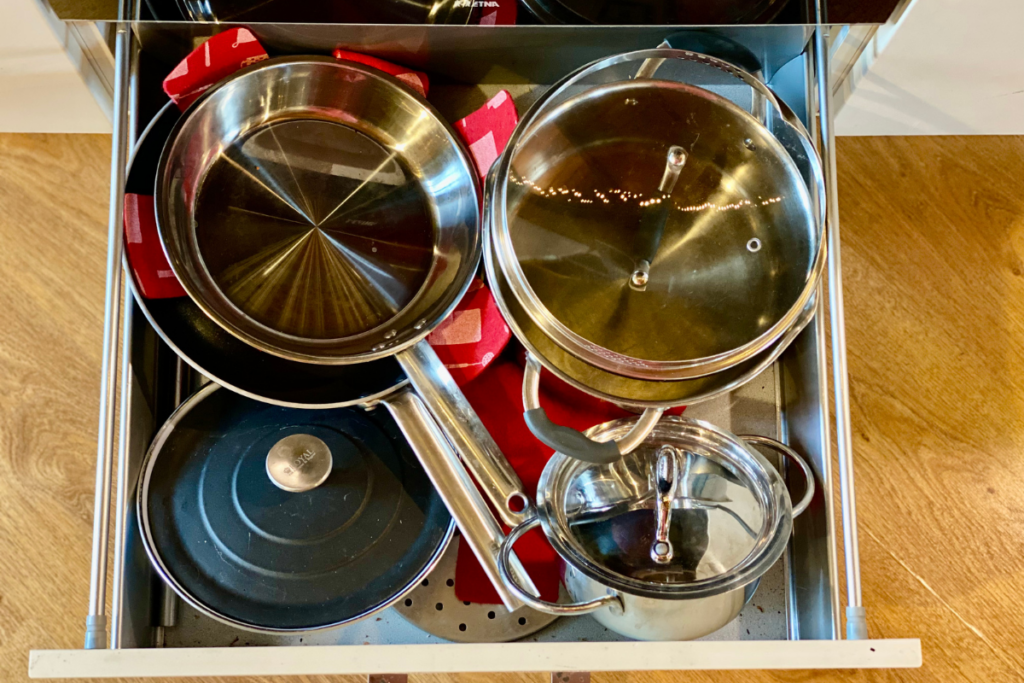
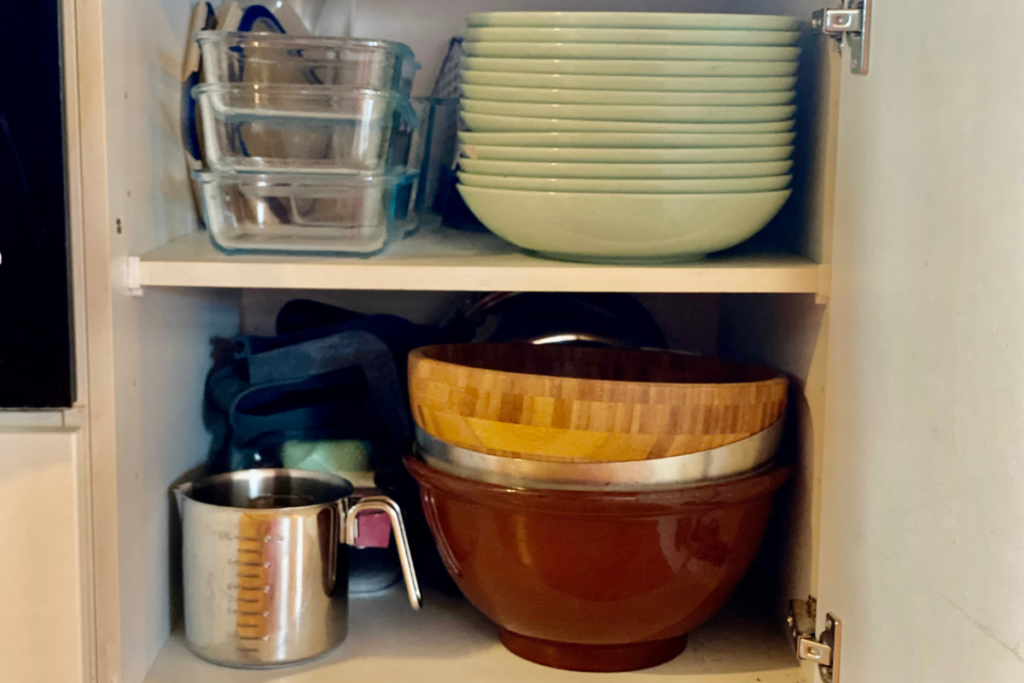
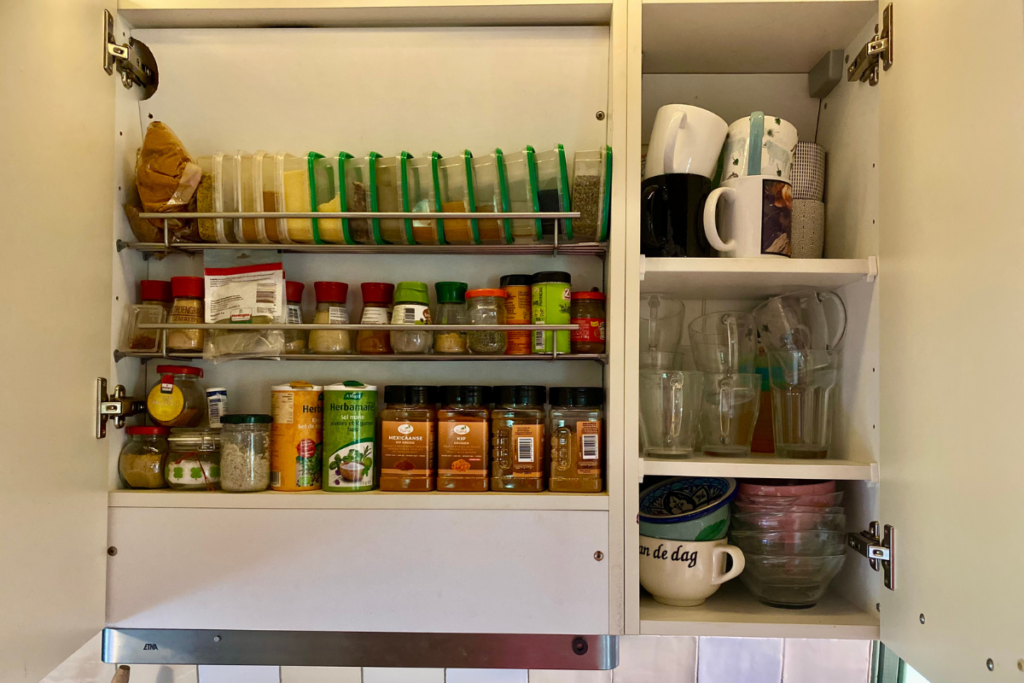
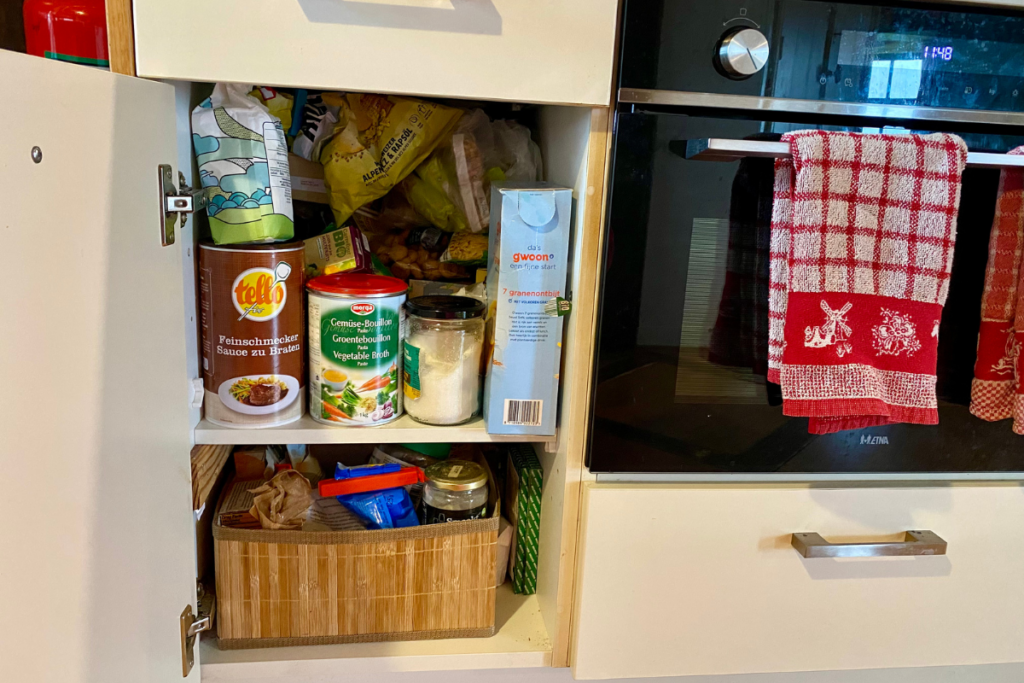
To start, it’s important to figure out exactly how much room you have to store your things. I’ve made the most of my four cabinets by organizing them into clear categories:
- Cabinet 1: Pans
- Cabinet 2: Cups, glasses, and small bowls
- Cabinet 3: Pantry
- Cabinet 4: Plates, tupperware, baking utensils, and large bowls
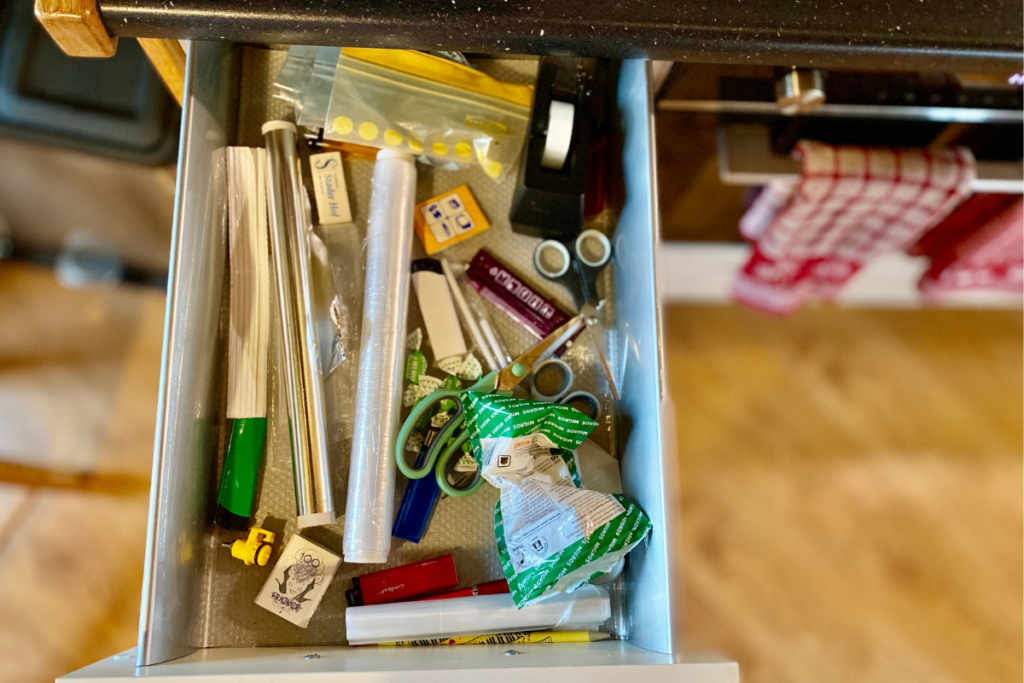
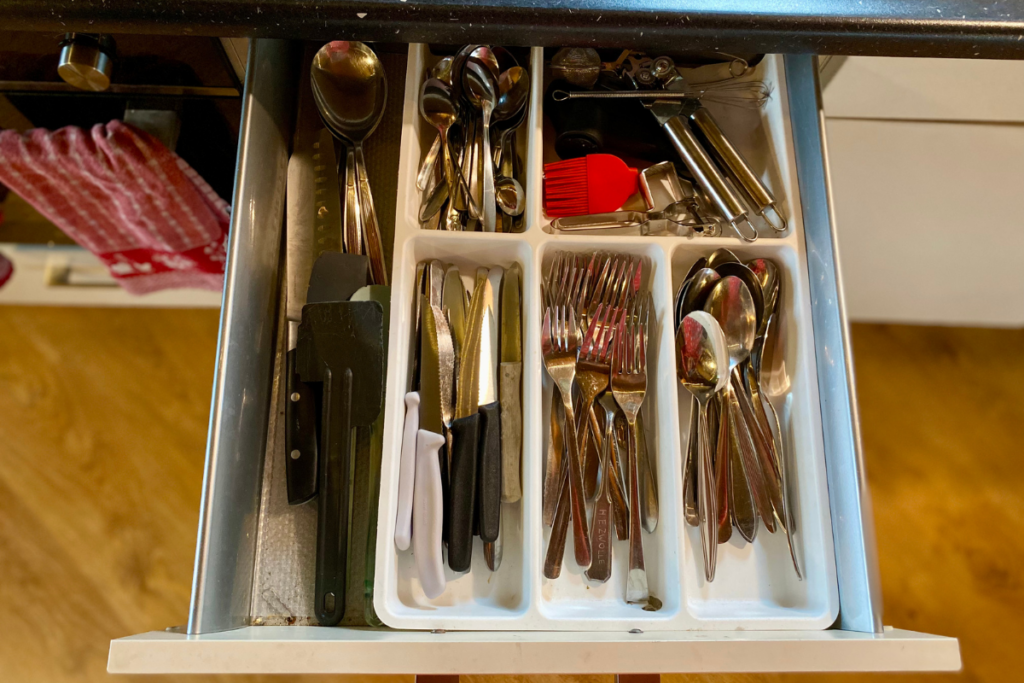
In addition, I use a shallow cabinet for spices, and I have one drawer dedicated to cutlery and another small drawer for random items we all accumulate.
2. How Many Dishes Do You Really Need?
With limited cabinet space, I had to get creative with how many dishes I truly need. Here’s a breakdown of what I own:
- Bowls: I own around 15 small bowls. They don’t require much space, and while I don’t have a super organized system for them, having a few does the trick.
- Cutlery: I have 15 pieces of cutlery (knives, forks, and spoons). To minimize clutter, I keep my small cutting knives alongside my regular knives. No need for extra steak knives or fancy utensils, just a uniform set for easy storage.
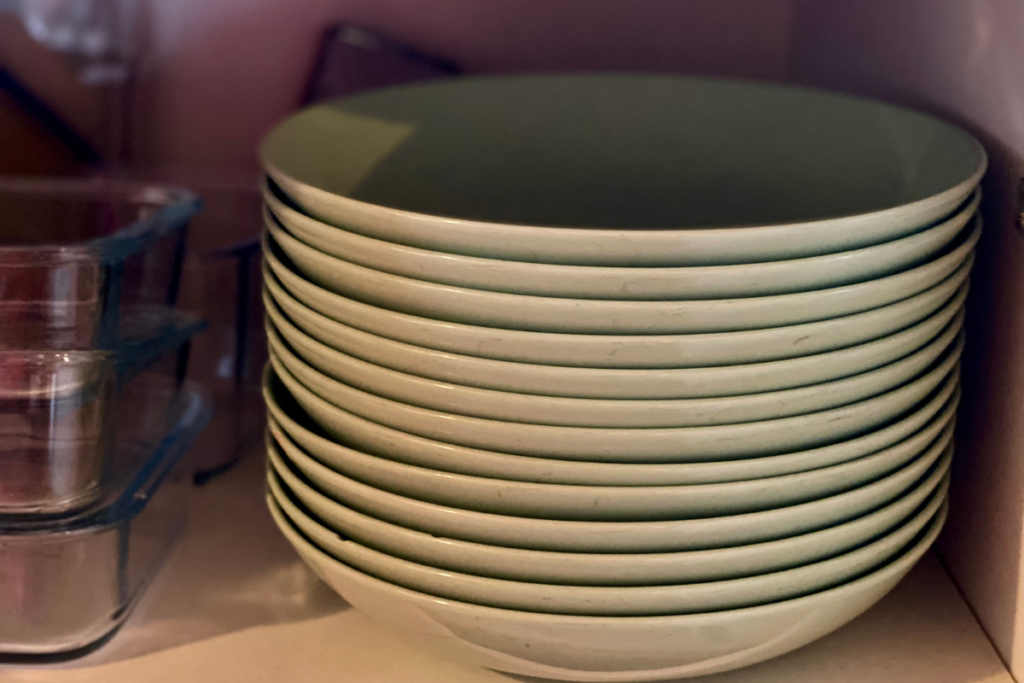
- Plates: We only use one type of plate—large, deep plates. They work well for every meal, from breakfast to dinner to desserts. We own 15 of these, and they stack easily, which is essential for saving space. If you have a larger family, I’d recommend 20 or more.
- Cups/Glasses: I use simple glass cups that are great for hot and cold beverages. They are stackable, saving space and offering versatility.
3. Essential Utensils in a Minimalist Small Space Kitchen
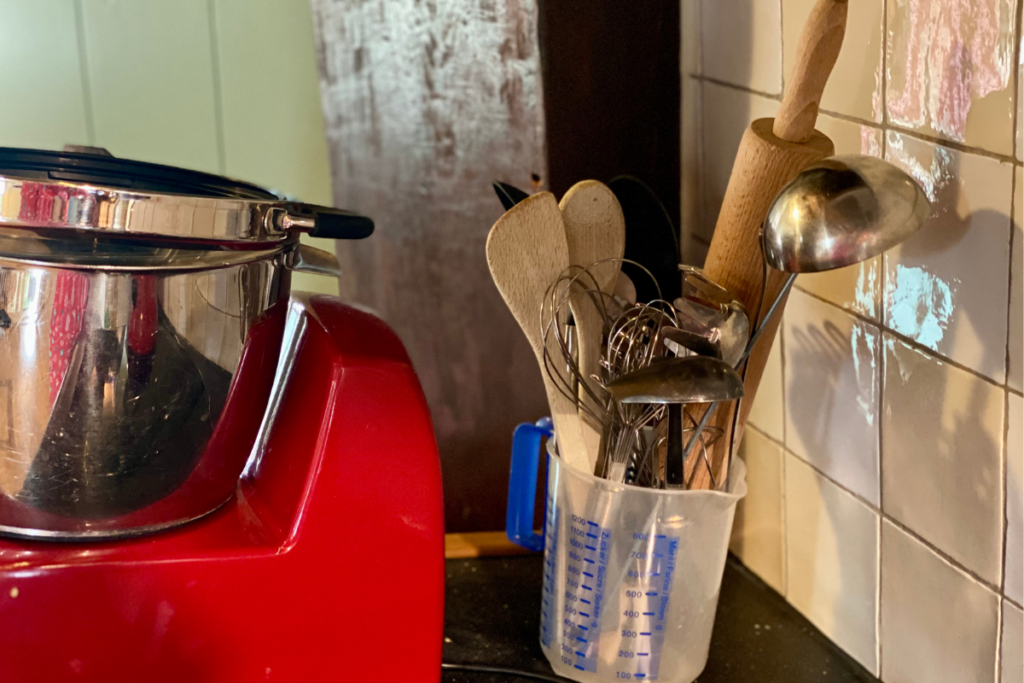
A utensil holder can be a real lifesaver in a small kitchen. This simple addition allows me to store cutlery in one drawer, leaving the rest of the space for other essentials. Here’s what I have in my kitchen:
- 1 spaghetti tong
- 1 spaghetti spoon
- 3 wooden cooking spoons
- 2 plastic ladles
- 3 whisks in different sizes (including a mini whisk)
- 2 differently shaped soup spoons
- 1 set of salad servers
- 2 large spatulas
- 1 rolling pin
- 2 rubber spatulas
- 1 big knife
- 1 bread knife
- 3 metal cooking spoons
- 1 brush
- 1 can opener
- 1 garlic press
- 1 potato peeler
- 1 tea-egg
- 1 measuring cup
4. Pans: The Essentials
When it comes to pans, they tend to take up a lot of space, especially if you entertain guests often. In my minimalist kitchen, I keep only the pans I regularly use:
- 1 small steel pot
- 2 bigger pots (steel and enamel)
- 1 medium cast-iron pan (also works as a Dutch oven)
- 2 frying pans (ceramic and steel)
- 1 steel pressure cooker
I used to have more, but after assessing how often I used each pan, I downsized and kept only the essentials.I used to own many more pots and pans and just recently discovered that I was simply not using them regularly enough to occupy my space.
5. Baking Utensils: Keeping It Simple
For baking, I try to keep it simple but functional. Here’s what I own:
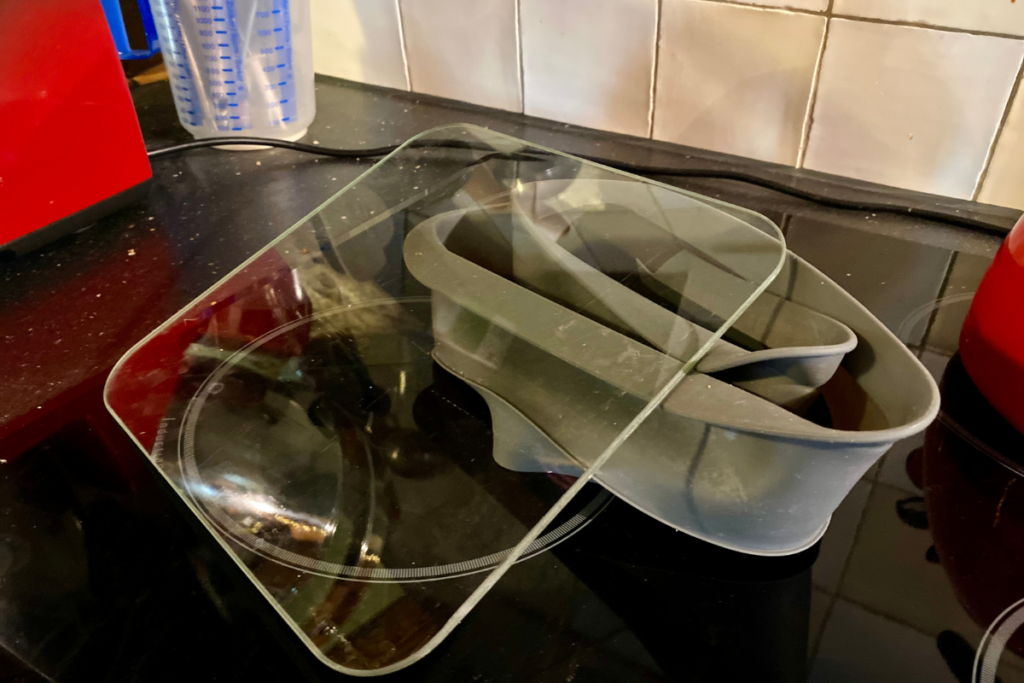
- 2 flat baking trays (one is glass, which I love)
- 3 bread baking trays of different sizes (stored in the oven to save space)
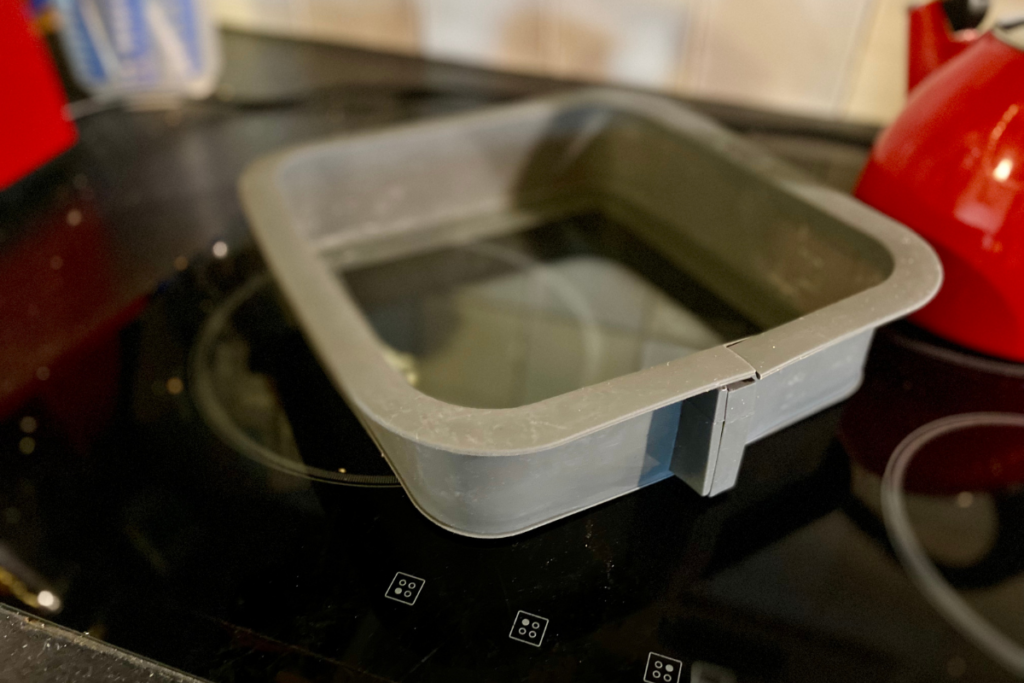
- 1 glass lasagna dish (great for small baking accessories like cookie cutters, muffin cups, and buttercream tools)
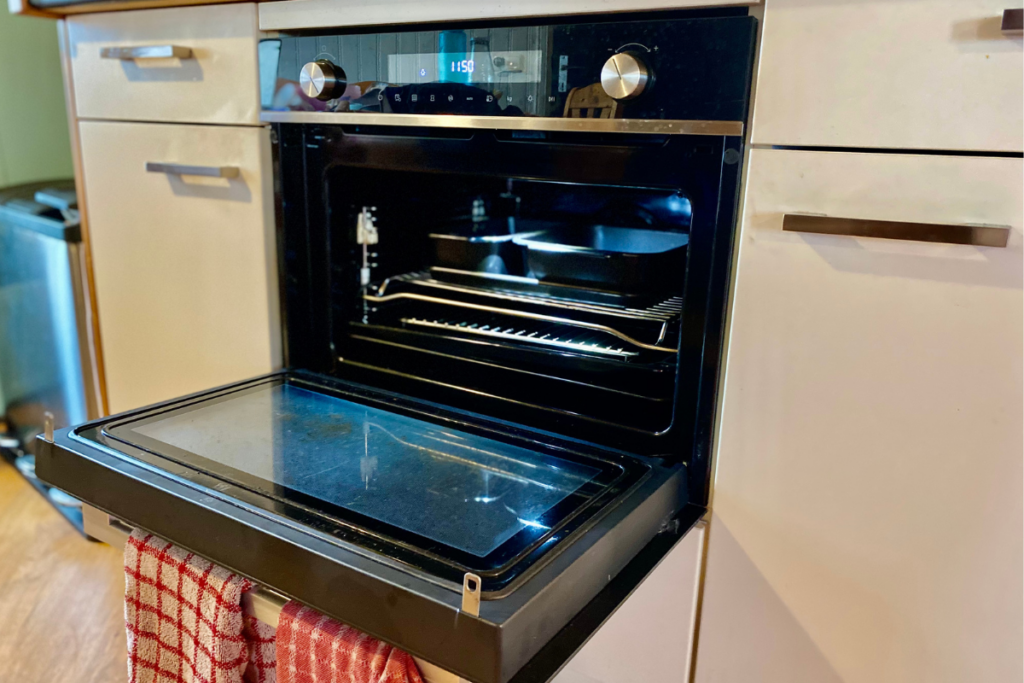
The baking tin is easy to store, and I can repurpose it for other uses as needed.
6. Kitchen Appliances: The Essentials Only
Kitchen appliances take up valuable space, so I stick to the essentials that I use daily. Here’s what I can’t live without:
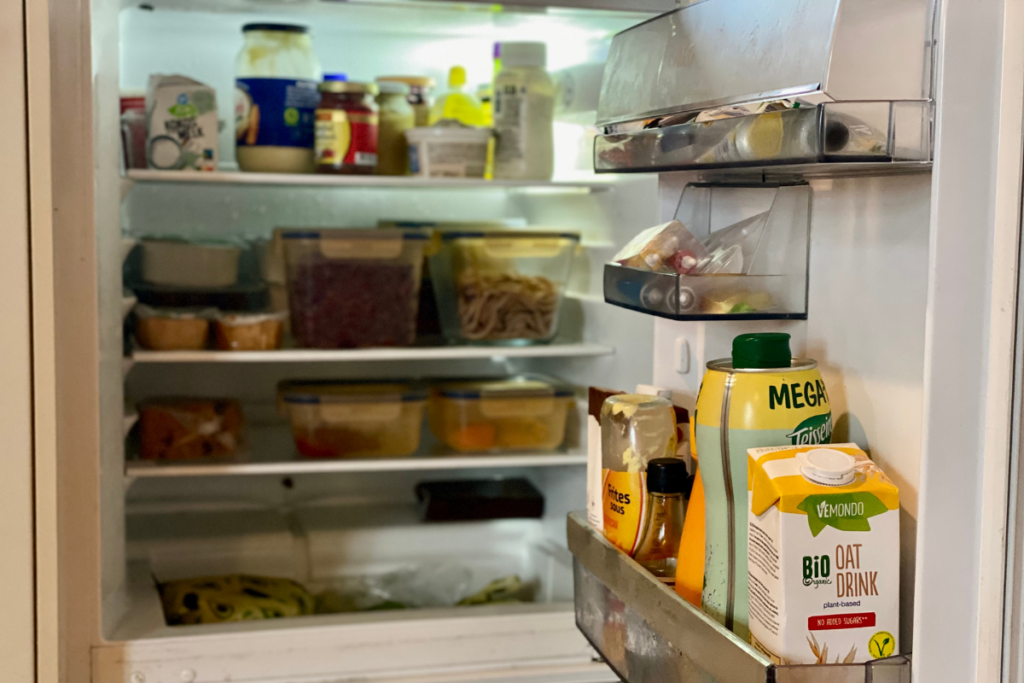
- Small fridge
- Regular dishwasher
- Small freezer (stored in the hallway)
- 4-burner cooktop
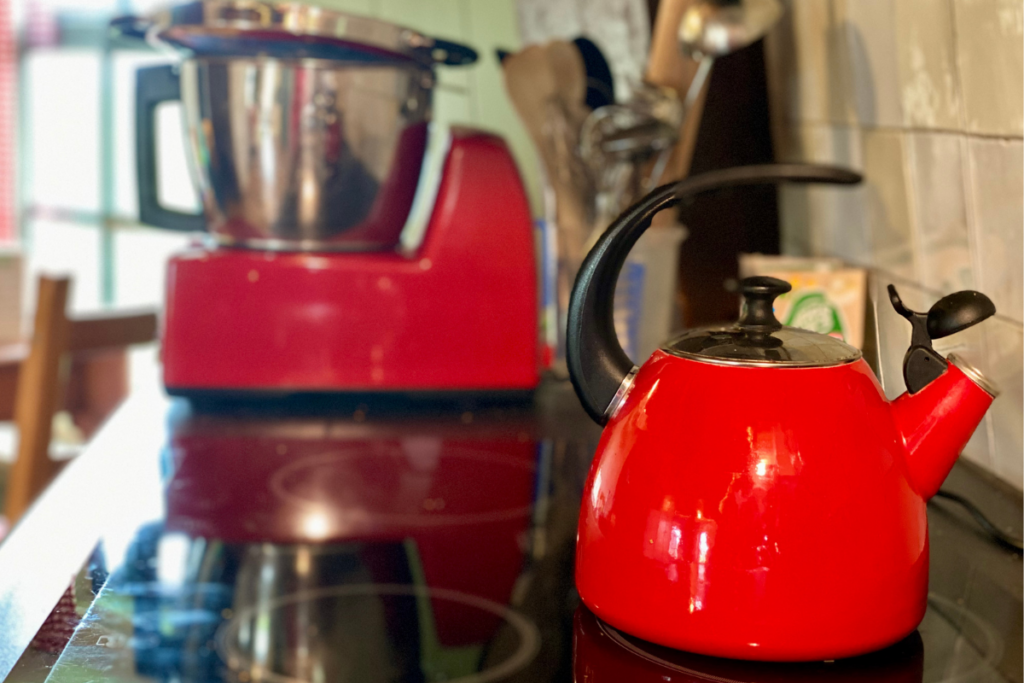
- Kettle
- Food processor
- Mixer
- Oven
My small fridge is a perfect example of maximizing limited space. With a little creativity, I’ve learned to fit everything we need for a week in there.
7. Creating a Pantry in a Minimalist Kitchen
Even with limited cabinet space, I’ve made room for a small pantry. One of my cabinets is dedicated to storing open packages of yeast, flour, pasta, legumes, and sugar. I also use an open shelf for some of these pantry items to keep them easily accessible.
8. Bowls and Tupperware: Essential Yet Simple
I own only 3 large bowls and 2 smaller bowls, which work well for soaking legumes, baking bread, or serving salads. I also use these bowls for serving snacks when visitors come over.
As for tupperware, I made a promise to myself to only own ONE type. I invested in containers from IKEA that stack neatly and most importantly, all the lids fit the same containers. This keeps things organized and prevents the dreaded tupperware mess that many of us know too well.
9. Rest of the Essentials
Lastly, there are a few more kitchen items that don’t fit into any particular category but are essential for daily use:
- 2 sieves
- 1 baby plate
- 2 bibs
- 1 glass cutting board
- 1 grater
- 1 funnel
- 1 lemon squeezer
- 1 reusable salad dressing bottle
- 1 jug (for both tea and cold beverages)
To summarize: Assessing and organizing your kitchen space is key to achieving a minimalist kitchen that works for your family. By thoughtfully considering the storage available and keeping only the essentials, you can maintain a clutter-free environment that feels spacious and efficient. The goal is not to eliminate everything, but to carefully select what truly serves your needs. Whether it’s simplifying your dish collection, choosing versatile kitchen tools, or optimizing storage, these steps will help create a well-organized kitchen that suits your lifestyle. A minimalist approach allows for more enjoyment in the kitchen, making cooking and family meals more fulfilling.
Get started today
In conclusion, creating a minimalist kitchen in a small space is all about thoughtful organization and smart choices. By assessing your available storage and keeping only the essentials, you can transform even the most compact kitchen into a functional and clutter-free space. The key is not to eliminate everything but to choose items that truly serve your needs and lifestyle. Simplifying your dish collection, opting for versatile tools, and optimizing storage will make your kitchen not only more efficient but also more enjoyable to use. With a minimalist approach, you’ll find that cooking and family meals can become even more fulfilling and stress-free. Remember, you don’t have to do it all at once—take it step by step. You’ve got this!
What are your minimalist small-space family kitchen essentials? What do you consider to be minimal or having a small space? Please leave a comment down below I would love to read all about it!